Key Takeaways
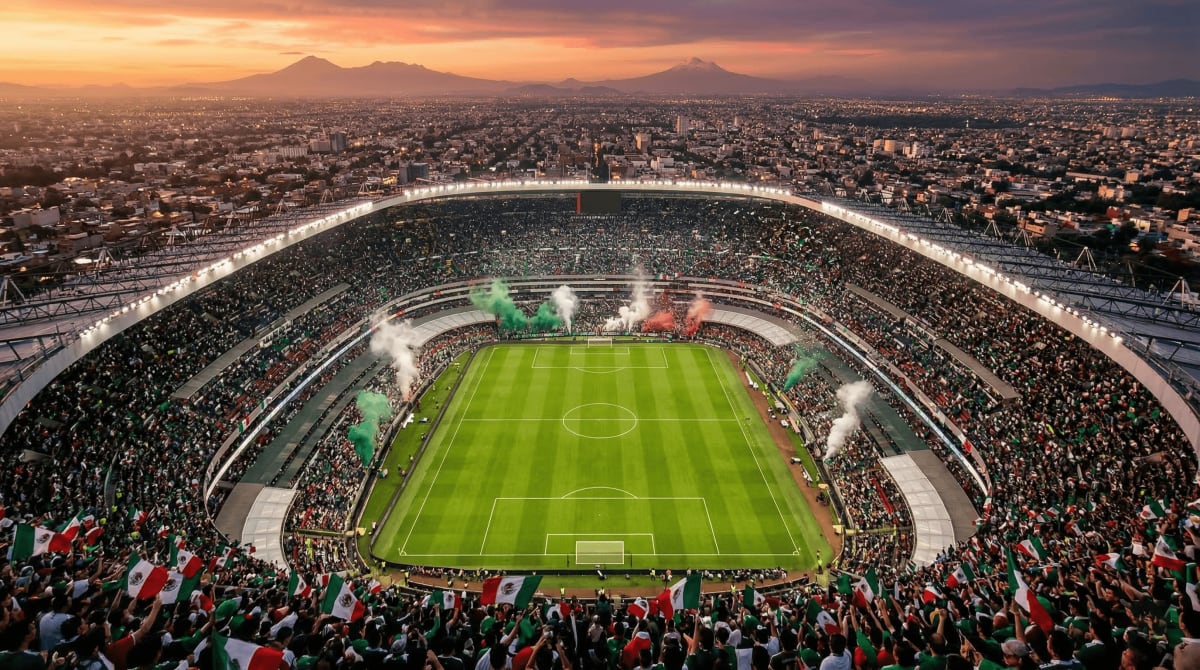
- Historic Homecoming: Mexico is the only country hosting the World Cup for a third time, promising unmatched passion and atmosphere.
- The Azteca Commute: Prepare for a 2+ hour transit battle from popular neighborhoods like Roma Norte to the stadium on match days.
- Monterrey's Heat Reality: Summer temperatures hit 38–40°C (100–104°F) — strict AC accommodations and strategic daily planning are essential.
- Massive Savings: Enjoy world-class culture and food at 40–50% less than the cost of US host cities.
The Soul of the World Cup: Mexico 2026 Travel Guide
Mexico hosted the FIFA World Cup in 1970, where the world watched Pelé's legendary Brazilian squad secure the trophy. They hosted again in 1986, giving us Diego Maradona's infamous "Hand of God" and his breathtaking "Goal of the Century."
In 2026, Mexico will become the only country in history to host the World Cup for a third time.
Here, football is not just a sport — it is a religion. The atmosphere in the stands, the energy in the streets, and the sheer emotional weight of the tournament returning to Mexican soil will be unmatched by anything you experience in the United States or Canada. This isn't just a sporting event — it's a cultural homecoming.
But passion alone won't plan your trip. Beneath the romance of Mexican football lies a set of hardcore logistical realities that clinical travel guides often gloss over. This guide gives you both: the cultural storytelling of why Mexico is the spiritual heart of the 2026 World Cup, and the survival strategy you need to navigate its massive crowds, extreme weather, and urban sprawl.
Which Mexican Host City Should You Choose?
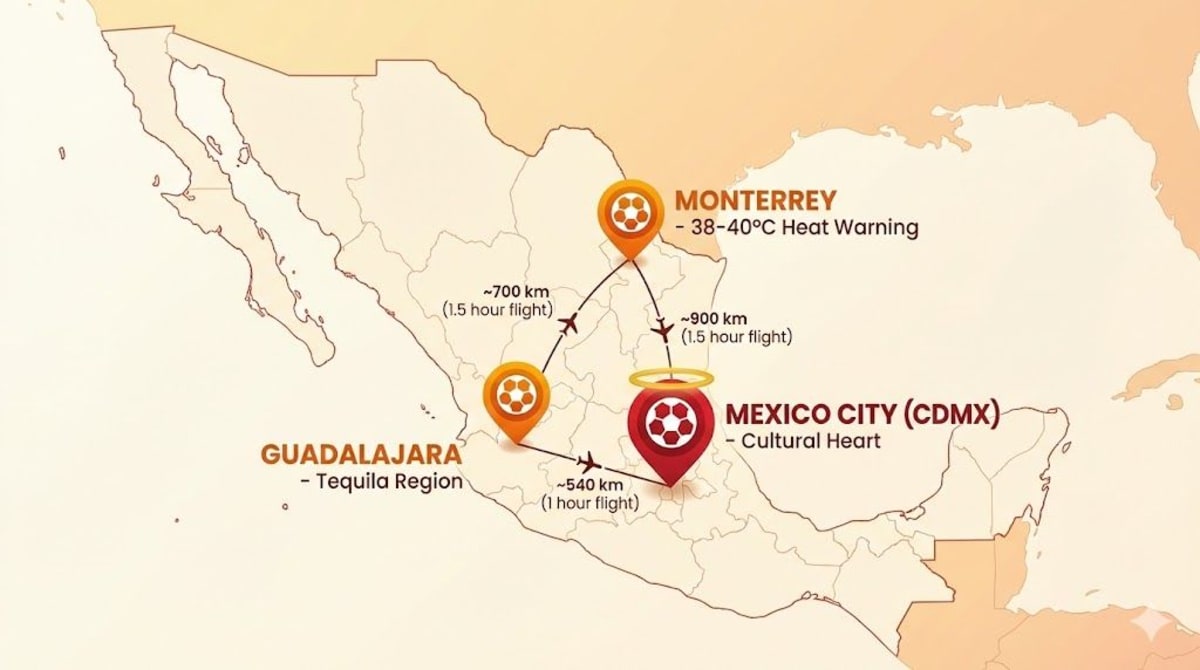
Mexico City is the strategic base for most visitors — it's the cultural heart, flight hub, and home to the legendary Estadio Azteca.
Unlike Canada's two-city setup or the United States' sprawling 11-city footprint, Mexico's three host cities offer entirely distinct regional experiences:
- Mexico City (CDMX): The largest city and international gateway. It boasts the iconic Estadio Azteca and the country's best culinary and cultural scenes.
- Guadalajara: Known as Mexico's "second city," it features a fierce football culture and immediate access to the historic tequila-producing region.
- Monterrey: A hyper-modern business hub framed by dramatic mountain backdrops, but defined by its extreme summer desert heat.
How Do You Survive the Estadio Azteca Commute?
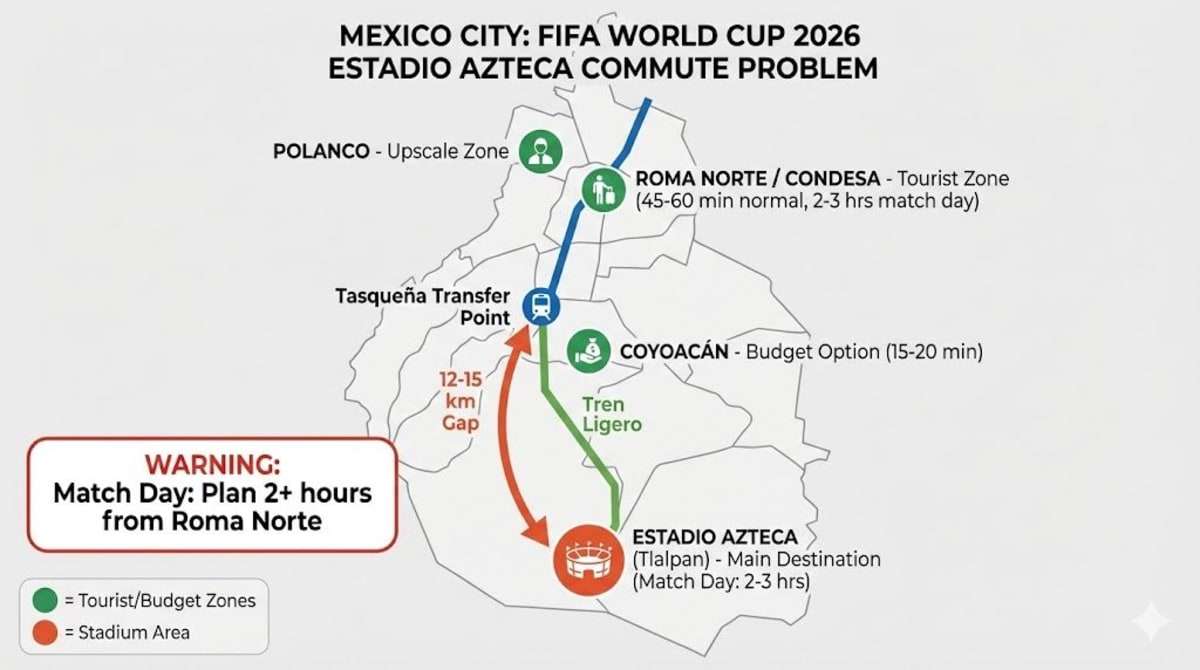
Plan for 2+ hours on match day. The Estadio Azteca is in Tlalpan (south), far from tourist neighborhoods, and public transit will be overwhelmed.
Most travel guides will cheerfully note that Estadio Azteca is a 45-minute ride from the city center. This is a dangerous half-truth.
The stadium is located in the southern borough of Tlalpan. The neighborhoods where you actually want to stay — Roma Norte, Condesa, or Polanco — are roughly 12 to 15 kilometers away. On a normal Tuesday, that commute takes 45 to 60 minutes. On match day, when 80,000+ passionate fans are cramming onto Tren Ligero Line 1, the system reaches absolute gridlock.
If you leave your hotel in Roma Norte an hour before kickoff, you will miss the first half. You must plan for a 2+ hour transit battle, or leave 3 hours early to beat the crush.
You face a strategic trade-off: do you stay in Roma Norte for the world-class nightlife and accept a painful match-day commute? Or do you stay in a quieter southern neighborhood like Coyoacán to be closer to the stadium?
Our Recommendation: Stay central. Embrace the chaotic commute as part of the World Cup experience, and spend your non-match days enjoying the vibrant culture of CDMX proper.
| Location | Vibe | Distance to Azteca | Normal Transit | Match-Day Reality | Avg. Hotel Cost |
|---|---|---|---|---|---|
| Roma Norte / Condesa | Best nightlife, cafes, walkable | 12 km | 45–60 min | 2–3 hours | $180–280/night |
| Polanco | Upscale, museums, restaurants | 15 km | 50–70 min | 2–3 hours | $250–400/night |
| Coyoacán | Artsy, local, near stadium | 5 km | 15–20 min | 30–45 min | $120–200/night |
How Hot Is Monterrey During the World Cup?
Monterrey in June/July regularly hits 38–40°C (100–104°F). This is not a joke — it will fundamentally change how you plan your days.
This isn't just "warm summer weather." Monterrey is situated in a region prone to extreme, blistering desert heat. If you are basing yourself here for matches at the modern Estadio BBVA, you cannot plan to casually wander the streets at 2:00 PM.
Outdoor activities must be scheduled before 10:00 AM or after 6:00 PM. Midday hours are strictly for indoor, air-conditioned environments.
This makes verified AC in your accommodation a non-negotiable requirement. Furthermore, your daily planning must include a rigorous hydration strategy and routing through shaded transit. The best areas to stay to ensure modern cooling infrastructure are San Pedro Garza García (upscale and modern) or Centro Monterrey.
What About Guadalajara?
Guadalajara is the "middle ground" — not as hot as Monterrey, not as complex as Mexico City, with strong football culture and tequila region access.
If Mexico City feels too massive and Monterrey feels too hot, Guadalajara is the perfect compromise. Matches will be hosted at Estadio Akron (home of Chivas) in the western suburb of Zapopan.
During June and July, the weather is humid but entirely manageable, typically hovering around 26–30°C (79–86°F). Excellent neighborhoods to base yourself in include Providencia, Chapalita, and the Historic Center.
The strategic advantage of Guadalajara is its built-in gap-day itinerary. The historic town of Tequila is just one hour away, offering a world-class cultural excursion that perfectly complements the football schedule.
Is Mexico Safe for World Cup Visitors?
Yes, with common-sense precautions. The tourist zones of all three host cities are well-patrolled, and match-day security will be heavy.
There is no need to be alarmist, but you must be practical. Popular tourist areas like Roma, Condesa, Polanco, San Pedro, and Providencia are bustling, secure, and well-policed.
On match days, the sheer volume of humanity provides safety in numbers. Stick with the massive crowds flowing to and from the stadiums — transit may be chaotic, but it is safe when packed with thousands of fellow supporters.
For nighttime travel, rely strictly on registered ride-share apps (Uber, Didi) or hotel-booked transport rather than hailing random taxis off the street. Have your phone charged and your route mapped out before you leave your hotel, and avoid flashing expensive items in crowded markets.
How Much Does Mexico Cost Compared to the USA?
Mexico is significantly cheaper than the USA for accommodation, food, and transit — often 40–50% less.
Even with the inevitable World Cup surge pricing, Mexico represents the absolute best value of the 2026 tournament. While US host cities will see average hotel rooms skyrocket past $400 a night, you can still secure excellent accommodations in Mexico's top neighborhoods for a fraction of the cost.
| Expense | Mexico City | Guadalajara | Monterrey | USA (Avg) |
|---|---|---|---|---|
| 3-star hotel (event rate) | $150–250 | $120–220 | $140–240 | $350–500 |
| Meal (mid-range) | $15–25 | $12–20 | $15–25 | $30–50 |
| Daily transit | $5–10 | $5–10 | $10–15 | $15–30 |
| Uber (avg ride) | $5–8 | $4–7 | $5–8 | $15–25 |
Note: Prices are estimates in USD.
What Should You Book First for Mexico World Cup 2026?
Book your accommodation 6–8 months ahead, especially in highly desired neighborhoods like Roma Norte and Condesa.
Because Mexico offers the best budget value of the tournament, the most aesthetic and culturally rich neighborhoods will sell out first. Lock down your refundable hotel rooms long before match tickets are announced. If you are planning a multi-city Mexican tour, secure your domestic flights early. If Guadalajara is on your list, book your Tequila region tours as soon as your match dates are confirmed.
FAQ
Is it worth visiting all three Mexican host cities?
Unless you are following a specific team's multi-city run, it is better to pick one city as your base. Flying between CDMX, Guadalajara, and Monterrey is relatively cheap, but the travel days will eat into your time to experience the local culture and football atmosphere.
What's the best neighborhood to stay in Mexico City for the World Cup?
Roma Norte and Condesa are the undisputed champions for food, walkability, and nightlife. Polanco is best for high-end luxury, while Coyoacán is ideal if your only priority is a shorter commute to Estadio Azteca.
How do you get from Roma Norte to Estadio Azteca?
You will typically take the Metro (Line 2) south to Tasqueña station, and then transfer to the Tren Ligero (Light Rail) straight to the Estadio Azteca stop. Prepare for this route to be heavily congested on match days.
Is Monterrey too hot for the World Cup?
It is not too hot to visit, but it is too hot to ignore. With temperatures routinely hitting 38–40°C (100–104°F), you must prioritize accommodations with robust air conditioning and plan your outdoor sightseeing strictly for the early mornings or late evenings.
Ready to dive into the passion of Mexico 2026?
Plan Your Mexico World Cup Trip with Navoy →
Use Navoy to map out your transit routes to Estadio Azteca, compare hotel prices across neighborhoods, and build your perfect World Cup itinerary today.
Planning for other host countries? See our guides to World Cup 2026 in the USA and World Cup 2026 in Canada.
About the Author
Ranym Garali
Ranym is the Marketing and Content Lead at Navoy. She's been writing about travel for two years and digs into the data behind each piece, flight prices, visa rules and what people are actually searching for , so the advice holds up in practice.