
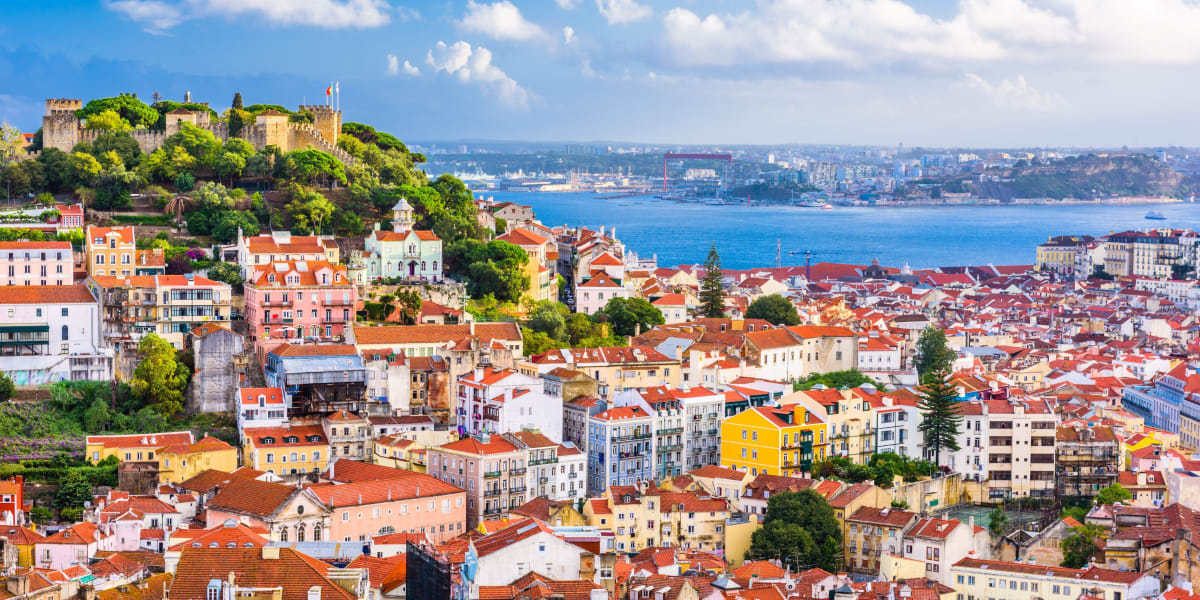
Lisbon, Portugal
Europe's sunniest capital — a city of fado music, hilltop viewpoints, world-class pastries, and a maritime history that once connected every corner of the globe.
Updated
Key Takeaways
- Lisbon sits across seven hills, making viewpoint-hopping (miradouros) one of its defining activities — Graça and Santa Catarina are locals' favourites.
- The Alfama district is a medieval Moorish quarter of narrow lanes, tiled facades, and fado houses that come alive after dark.
- Pastéis de nata (custard tarts) from Pastéis de Belém are a non-negotiable stop — the recipe has been unchanged since 1837.
- Lisbon is one of Western Europe's most affordable capitals, with excellent wine, food, and accommodation at lower prices than Paris, Barcelona, or Amsterdam.
- The city's Atlantic coast is within 30 minutes — Cascais and Estoril offer beach escapes without leaving the greater Lisbon area.
Why Is Lisbon Worth Visiting?
Lisbon blends a rich maritime history with an incredibly vibrant, laid-back Atlantic lifestyle, offering stunning viewpoint panoramas and some of the best value of any Western European capital.
Lisbon is Europe's most underrated capital. Perched on Atlantic-facing hills with a harbour that once launched explorers to every continent, the city carries its history lightly. Faded azulejo tiles, vintage trams climbing steep gradients, and the melancholy beauty of fado music give Lisbon a soul that newer European cities lack.
Where Should You Stay in Lisbon?
Chiado and Bairro Alto offer the most central, dynamic mix of dining and nightlife, while Alfama provides a quieter, deeply historic atmosphere in the city's oldest quarter.
Alfama
The oldest district in Lisbon, cascading down to the Tagus river below the São Jorge Castle. Cobblestone streets, laundry lines, cats on window ledges — and the best fado houses in the city.
Bairro Alto & Chiado
The twin neighbourhoods of bohemian nightlife and upscale shopping. Chiado has Lisbon's best cafés and bookshops; Bairro Alto comes alive at midnight.
Belém
Slightly outside the centre, Belém is where the Age of Discovery monuments stand — the Jerónimos Monastery, Tower of Belém, and Monument to the Discoveries, alongside the original Pastéis de Belém bakery.
| Neighbourhood | Primary Vibe | Noise Level | Walking Difficulty |
|---|---|---|---|
| Alfama | Historic, fado houses, winding alleys | Medium to quiet | High (steep hills and cobblestones) |
| Bairro Alto | Nightlife, bars, bohemian | Very loud | High (steep inclines) |
| Belém | Monuments, riverside, museums | Quiet (evenings) | Low (flat and paved) |
What Are the Best Things to Do in Lisbon?
Riding the historic trams, taking in the sweeping views from the city's hilltop miradouros, and escaping to the royal palaces of Sintra define the perfect Lisbon experience.
- Tram 28 — The iconic yellow tram rattles through Alfama and Graça. Take it early morning to avoid the crowds.
- Miradouro das Portas do Sol — The best viewpoint over the Alfama rooftops and the Tagus below.
- LX Factory — A repurposed industrial complex turned weekend market, with food stalls, vintage shops, and live music.
- Day trip to Sintra — 40 minutes by train, this fairy-tale hilltop town with palaces and castles is a UNESCO World Heritage site.
What Should You Know Before Visiting Lisbon?
Lisbon's steep, cobblestone-paved hills make comfortable walking shoes absolutely essential, and you should prepare for dinners that rarely start before 8:00 PM.
Lisbon's hills are deceptive — comfortable shoes are essential. The city is safe but pickpocketing is common on Tram 28 and in Alfama. Lunch is the main meal — most restaurants offer a prato do dia (dish of the day) for €8–12 including bread, wine, and dessert. Dinner is eaten late, rarely before 8pm.
Frequently Asked Questions
Is Lisbon worth visiting in winter?
Yes — Lisbon has the mildest winters in Western Europe, with average temperatures of 12–16°C (54–61°F) from December to February. Crowds are minimal, prices drop significantly, and the city's indoor culture (fado, wine bars, cafés) is at its best.
How many days do you need in Lisbon?
3 days covers the main highlights: Alfama, Belém, the miradouros, and a day trip to Sintra. 5 days lets you explore at a slower pace and venture to the coast at Cascais or the wine region of Setúbal.
Is Lisbon safe for solo travellers?
Lisbon is one of Europe's safest capitals. Solo travel — including solo female travel — is very common. Standard city precautions apply: watch your belongings on crowded trams and in tourist-heavy areas like Alfama.
Featured Itineraries
Swipe to see more →